

Automatic Chicken Coop Doors Australia


Pets Gear Automatic Chicken Coop Door Solar Powered


Automatic Chicken Door – Auto Timer
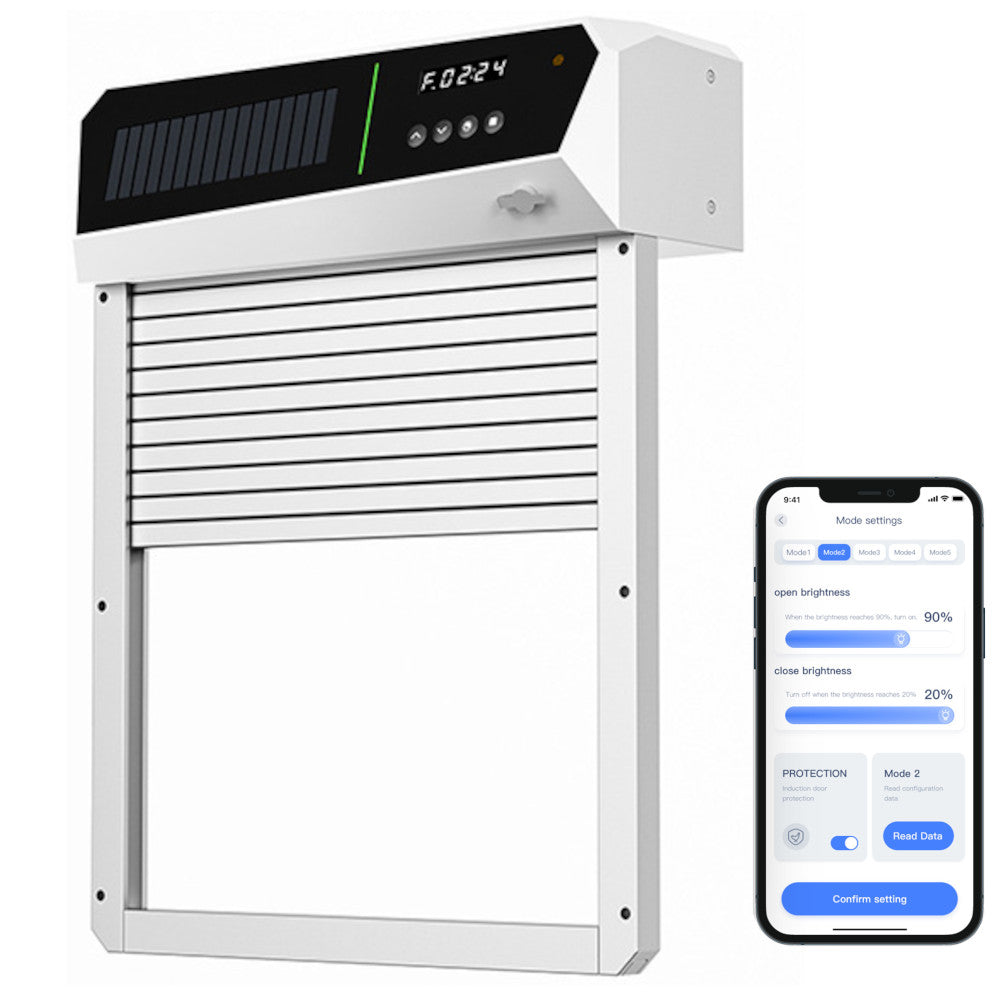
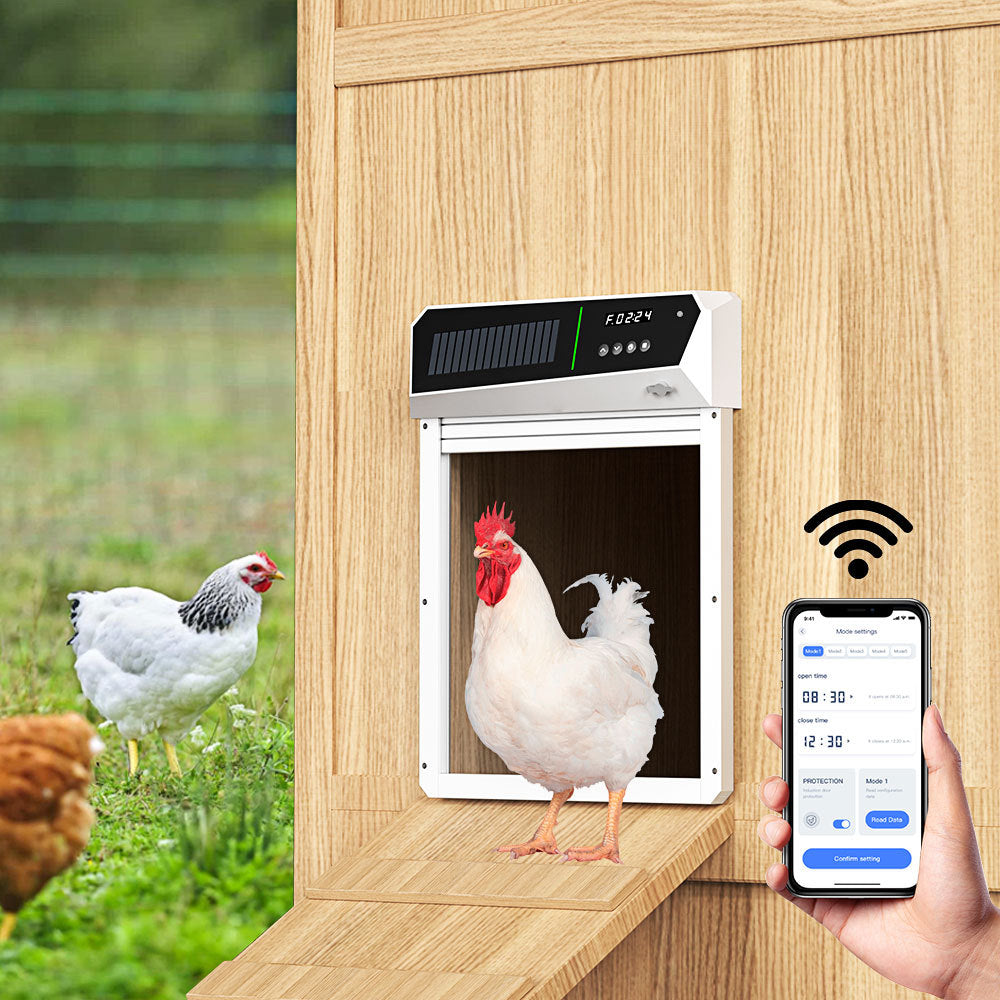
Solar Powered Automatic Chicken Coop Door with APP Control
Best Automatic Chicken Doors in Australia: Quick Answer
The best automatic chicken door for most Australian coops is a solar-powered or timer door with a light sensor ... Read more
Best Automatic Chicken Doors in Australia: Quick Answer
The best automatic chicken door for most Australian coops is a solar-powered or timer door with a light sensor and obstruction detection - it opens at dawn and locks securely at dusk to keep your flock safe from foxes and other predators. Choose solar if your coop is away from power, a timer or battery door for small backyard coops near the house, and an app/smart model if you travel often. Look for a sturdy metal door panel, tight rails and a manual override. Pets Gear stocks timer, solar and app-controlled automatic chicken doors built for Aussie conditions, with fast shipping from Melbourne and support to match the right door to your coop opening.
Automatic Chicken Coop Doors (Australia) Read the expert buying guide
Stop waking up early to let the chooks out. A quality automatic chicken coop door opens at first light and closes safely at dusk, so your flock stays protected even when your schedule (or the weather) doesn’t cooperate. This collection brings together reliable automatic chicken doors built for real backyard coops, runs, and Aussie conditions—helping you reduce predator risk, keep your routine consistent, and give your hens the calm, predictable day/ night cycle they thrive on.
If you’re searching for an automatic chicken coop door australia buyers can trust, you’re in the right place. Below is our in-depth guide on how to choose the best model for your setup—covering power options (including solar powered automatic chicken door designs), safety features, installation tips, and the small details that make the difference between “works sometimes” and “set-and-forget”.
Why an Automatic Chicken Door Is a Game-Changer
Keeping chickens is rewarding, but daily coop duty can be a grind—especially in winter when sunrise is late and sunset is early. An automatic chicken door solves three of the biggest pain points for backyard keepers:
- Consistency: Chickens love routine. Regular open/close times support calmer roosting and more predictable laying patterns.
- Protection: A properly installed auto door reduces risk from nighttime predators by ensuring the coop is secured every evening—no “Oops, I forgot to shut it.”
- Freedom: Sleep in, work late, go away for the weekend—your coop can still run on schedule.
In practice, an auto door is like a silent “coop manager” that never takes a day off. Whether you call it a chicken door automatic, an auto chicken door, or an automatic chook door, the goal is the same: open when your flock is ready to forage, and lock down when it’s time to roost—without you being there. Some keepers search for a chicken coop auto door—it’s the same idea: an automatic system that opens and locks your coop on schedule.
How Automatic Chicken Coop Doors Work
Most automatic doors use a small motor and a controller to lift/lower a sliding door panel (often called a guillotine-style door). Better systems add safety detection and smoother movement. You’ll typically see three control styles:
1) Light-sensor (dusk-to-dawn) control
The controller reads ambient light and opens/closes based on sunrise and sunset. For many people in automatic chicken door australia searches, this is the most “set-and-forget” option because it adapts through the seasons.
2) Timer control
You set open and close times (for example, open at 7:00am, close at 7:30pm). Timers are simple and predictable, but you may adjust them as day length changes.
3) Smart/app control
Some advanced models add Bluetooth/Wi-Fi features so you can override settings, check status, and sometimes receive alerts. This can be helpful for remote coops or if you travel often.
Pro tip: If your hens sometimes roost late (common with young pullets or during heatwaves), prefer a door with a “delay” or “close late” option, or a safety feature that stops and reopens if it detects an obstruction.
Choosing the Right Automatic Chicken Coop Door in Australia
Not all automatic doors are created equal. A model that works fine in a mild, sheltered yard may struggle in real-world conditions: dust, summer heat, driving rain, cold mornings, curious predators, and uneven timber around an older coop opening. Use the checklist below to pick a door that fits your setup and lasts.
Power options: Solar vs battery vs mains
Power choice is the first big decision—because it affects reliability, maintenance, and where you can mount the door.
Solar powered automatic chicken door
A solar powered automatic chicken door is ideal if your coop is far from power points, or if you want an energy-efficient option that can run for long periods with minimal attention. Solar models generally pair a panel with an internal battery that stores energy for night operation.
- Best for: remote coops, large yards, “set-and-forget” keepers, and sunny placement.
- Watch-outs: shaded coops, heavy tree cover, and poor panel positioning can reduce charging. Choose a model that still has enough stored power to close reliably after cloudy days.
Battery-powered doors
Battery doors can be very dependable if you keep fresh batteries on hand and check power levels regularly. They’re often simpler to install and are great for smaller setups.
- Best for: backyard coops close to the house, smaller flocks, and keepers who don’t mind occasional battery changes.
- Watch-outs: batteries can drain faster in cold conditions, and cheap batteries may leak or fail unexpectedly.
Mains-powered doors
If your coop is near an outlet and you can run power safely, mains power offers steady operation without battery maintenance. You’ll want weather-protected wiring and a safe cable route.
Door size and fit: from coop openings to run entrances
Measure the clear opening of your coop before you buy. Consider not just width and height, but also the space available for mounting rails and the motor housing above the door. If you have a dedicated run entrance (a “run chicken door”), ensure the door opening suits your biggest birds—especially heavier breeds that prefer more headroom.
Common fit mistakes include:
- Mounting to thin, warped timber without reinforcement (leads to misalignment and jamming).
- Choosing an opening that’s too small for larger hens or feathered-foot breeds.
- Ignoring the ground line—doors need clearance so bedding, dirt, and droppings don’t block the bottom edge.
Safety features that matter
Safety is non-negotiable. A good automatic chicken coop door should close securely, but it should also reduce the risk of injury if a hen is in the doorway. Look for features such as:
- Obstruction detection: the door stops and reopens if it meets resistance.
- Slow-close or soft-start movement: smoother operation reduces panic and improves reliability.
- Manual override: you can open/close by hand or with a button in emergencies.
Practical experience tip: For the first week, observe your flock’s roosting timing. If you have timid birds that enter late, set the close time a little later or use a light sensor with a delay. The goal is a door that works with chicken behaviour—not against it.
Predator resistance and “can they force it open?”
In Australia, you’re often dealing with foxes, roaming dogs, goannas, rats, and even snakes looking for warmth or eggs. A solid auto door helps most when it becomes part of a complete security plan:
- Door panel: choose sturdy metal or thick, rigid material that can’t be bent easily.
- Rails/tracks: tight tolerances reduce gaps predators can pry at.
- Mounting hardware: use screws (not just nails), and reinforce thin timber with backing plates if needed.
- No gaps: seal around the opening with timber strips or mesh so predators can’t reach in.
Weatherproofing and durability
Look for weather-resistant housings, protected wiring, and components that can tolerate heat. Dust and bedding are common causes of jams, so doors with smoother tracks and easy-clean design are worth it. If you live in a coastal area, corrosion resistance becomes more important.
Noise, vibration, and chicken confidence
Chickens get spooked by sudden loud movement. Quieter motors and smoother lift systems help your flock accept the door faster. If your birds free-range at dawn, a gentle open sequence can prevent a panic rush.
Solar Chicken Coop Doors: When They’re Worth It
Many people land on this collection after searching “solar chicken coop door” or “solar powered chicken coop door”. Solar is a great match when your coop is not near power, or you want to reduce battery replacement hassles. To get the most from solar:
- Mount the panel in full sun (ideally north-facing in Australia) and angled to avoid shadows.
- Keep the panel clean—dust, pollen, and bird droppings reduce output.
- Plan for winter: shorter days and cloudy weeks are real. A good controller should still have enough stored power to close reliably.
If your coop is heavily shaded, you can still run solar in many cases—just place the panel in a sunnier spot and route the cable safely. For very shaded yards, a battery or mains option may be simpler.
Quick comparison: choose the best door type for your coop
| Type | Best for | Pros | Things to consider |
|---|---|---|---|
| Light sensor | Set-and-forget routines | Adapts to seasons | Positioning matters; may need a delay feature |
| Timer | Predictable schedules | Simple and consistent | Needs seasonal adjustments |
| Smart/app | Remote coops, frequent travel | Manual control & status checks | Needs connectivity; slightly more complexity |
| Solar powered | Coops away from power | Low ongoing cost; great flexibility | Panel needs sun; winter charging |
Installation: Step-by-step tips for a clean, reliable fit
A well-installed door is dramatically more reliable than a rushed installation. Set aside 30–60 minutes and follow these best practices:
- Measure twice: confirm your opening size and check there’s space above for the motor housing.
- Reinforce the frame: if your coop timber is thin, add a backing board so rails mount straight.
- Mount the rails plumb: rails must be perfectly vertical. Even a few millimetres of twist can cause rubbing.
- Check bottom clearance: leave enough space so bedding and dirt won’t block the door.
- Test cycles: run multiple open/close cycles before leaving it unattended.
- Introduce the flock: keep the door open for a day, then run it while you watch so hens learn it’s safe.
For extra security, many keepers add a small “landing pad” or threshold board so the bottom edge closes onto a firm surface rather than soft soil.
Everyday Use: What to Expect After You Install
Once your door is dialled in, daily management becomes easier. Still, the best results come from combining automation with good coop habits:
- Do a quick headcount at dusk for the first week (or anytime you add new birds).
- Keep the doorway area tidy—buildup of bedding or droppings is the #1 reason doors stick.
- Check power monthly (especially for battery models) and inspect cables for chewing.
Cleaning and maintenance checklist
- Wipe rails and remove dirt/dust from the track.
- Inspect the door panel for dents or bending.
- Confirm the controller settings after storms or battery changes.
- For solar: wipe the panel and ensure it isn’t shaded by new plant growth.
Troubleshooting: Common Issues (and Easy Fixes)
Door doesn’t close fully
- Check the track: dirt or a warped rail can stop the door early.
- Check alignment: screws may have loosened, causing rubbing.
- Check the bottom: bedding buildup can block the door.
Door opens/closes at the “wrong” time
- Light sensor doors: streetlights or coop lights can fool sensors. Move the sensor or adjust sensitivity.
- Timers: re-check AM/PM settings after battery changes or daylight savings shifts.
Solar door loses power after cloudy days
- Reposition the solar panel for better sun exposure.
- Clean the panel surface.
- Consider a model with larger battery capacity if your winter sunlight is limited.
Door jams or makes grinding noise
- Stop using it until you remove the obstruction.
- Check for bent door edges or damaged rails.
- Ensure mounting screws are not protruding into the track.
Which Door Is Right for Your Setup?
If you’re not sure which model matches your coop, use these common scenarios:
Backyard flock (3–8 hens) near the house
A reliable timer or light-sensor door is usually perfect. Battery power is convenient if you don’t want to run cables.
Remote coop or large property
Solar is often the best solution. A chicken coop solar door setup with a well-placed panel keeps the system running without constant maintenance. If you like remote control, consider a smart model.
High predator pressure area
Prioritise strong materials, tight rails, and a secure close. Consider reinforcing the coop opening with solid timber and mesh so predators can’t pry at corners.
Multiple coops or frequent travel
Choose systems with clear status indicators and easy manual override. A smart door can help, but reliability comes first.
Why Buy Your Automatic Chicken Coop Door from PetsGear?
When you invest in automation, you want the peace of mind that comes with clear product info, practical support, and dependable after-sales help. We focus on doors that:
- Suit common Australian backyard coop setups
- Offer practical safety features and easy installation
- Match real-world needs—solar, battery, and smart options
If you’re comparing models, scroll through the collection and open each product page for detailed specs, included accessories, and installation notes. If you have questions about fit or setup, contact us—we’ll help you choose the right door for your coop opening and flock size.
🔗 Complete Your Coop Setup
An automatic door is a cornerstone of a modern, efficient chicken coop, but it works best as part of an integrated system. By automating the daily tasks, you free up more time to focus on the health and happiness of your flock.
Consider pairing your new door with other smart solutions:
- Automatic Feeders & Waterers: Ensure your chickens have consistent access to food and fresh water, even when you're away.
- Enhanced Security: Complement your secure coop door with sturdy metal chicken coop to create a safe daytime run.
- Browse Our chicken nesting boxesfor cleaner, safer egg collection
- Flock Health Management: With chores automated, you have more time for crucial health checks and preventative care.
FAQs
What’s the best automatic chicken coop door Australia keepers should choose?
The best door depends on your coop location and routine. If your coop is remote, a solar option is usually best. If you want simplicity, a light-sensor or timer door works well. Prioritise safety (obstruction detection), sturdy materials, and weather resistance.
Is an automatic chicken door safe for hens?
Yes—when installed correctly and when the model includes basic safety features. For the first week, observe your flock’s roosting timing and set a close delay if needed.
Can foxes force open an automatic chicken door?
A good door with strong materials and tight rails is difficult to force open, but the surrounding coop structure must also be reinforced. Use solid mounting points and eliminate gaps around the opening.
Do solar powered chicken coop doors work in winter?
They can, as long as the panel is placed in good sun and the internal battery capacity is adequate. In heavily shaded yards, consider battery or mains power instead.
What size opening do I need?
Measure your coop door opening and allow clearance for rails and housing. If you have large breeds, choose a taller/wider opening so birds can pass comfortably.
Can I use one door for the coop and the run?
Most people place the door at the coop entrance (secure at night). If you want a separate run entrance, you can use an additional door for that “run chicken door” access point depending on your setup.
What does “automatic chook door” mean?
It’s simply the Aussie way of saying automatic chicken door—same idea, same benefits.
What’s the difference between “chicken door automatic solar” and a standard solar door?
They usually refer to the same thing: an automatic door powered by a solar panel and battery system. Differences come down to battery capacity, controller features, and build quality.
How do I stop the light sensor being fooled by a porch light?
Move the sensor to a darker spot, shield it, or use timer mode. Some models let you adjust sensitivity so artificial light doesn’t trigger it.
How often should I maintain the door?
Check it weekly at first, then monthly once you’re confident. Keep the track clean, confirm settings, and inspect power and cables.
Setting up or upgrading a coop? Our free Chicken Coop Size Calculator works out how big your coop and run should be for your flock.
Read less