Best Chicken Nesting Boxes in Australia: Quick Answer
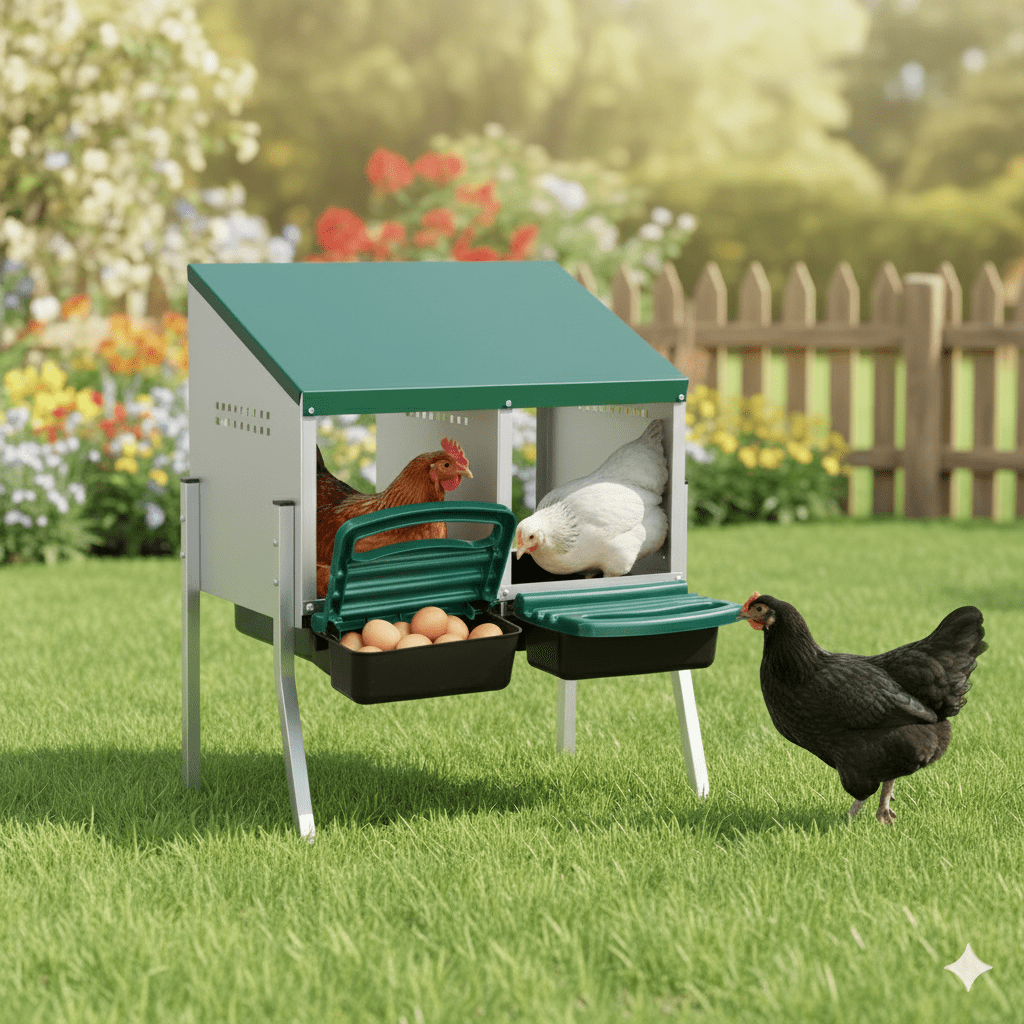
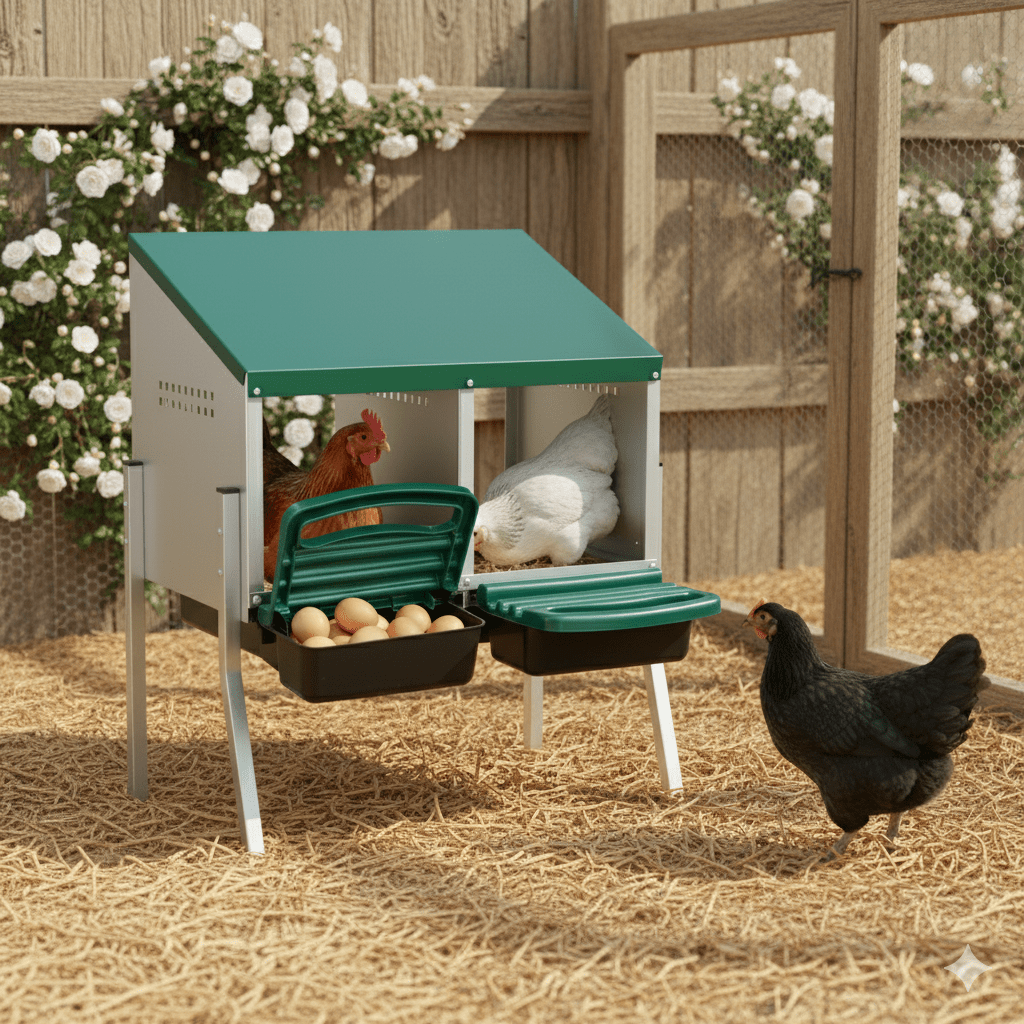
For most Australian backyard coops, the best chicken nesting boxes are easy-clean metal rollaway designs, which keep eggs cleaner and help stop egg-eating by rolling each egg into a protected tray. Plan roughly 1 nest box per 3-4 hens, size each compartment about 30cm square for standard breeds (35cm for large breeds), and place boxes in a darker, quieter spot lower than the roosts. Pets Gear stocks rollaway and multi-hole nesting boxes (1, 2, 3 and 6-hole) built for Australian heat, dust and red mite, with fast shipping from Melbourne. Choose a standard box if your eggs are already clean, or a rollaway if you have dirty, cracked or eaten eggs.
Chicken Nesting Boxes for Australian Coops – A Practical Buyer’s Guide (Built on Real Keeping Experience)
If you’ve ever collected a muddy egg, cracked a shell in the straw, or discovered your hens laying in the corner of the run… you already know why the right nesting boxes for chickens matter. A well-designed nesting area keeps eggs cleaner, reduces breakage, discourages egg-eating habits, and makes daily collection faster (and far less frustrating).
At Pets Gear, we’ve built this collection for Australian backyards and small farms where heat, dust, humidity, mites, and messy hens are part of normal life. Whether you’re upgrading a basic chicken nesting box, planning a full chicken coop with nesting box setup, or specifically chasing a rollaway nest box to protect eggs, this guide will help you choose the best option for your flock.
What Makes a Great Chicken Nest Box? (The “Clean Eggs + Easy Collection” Formula)
All chicken nesting boxes do the same job in theory: give hens a safe, quiet place to lay. In practice, the best boxes are designed around three outcomes:
-
Cleaner eggs: less manure, fewer cracked shells, reduced risk of dirty-bloom contamination.
-
Healthier hens: lower parasite pressure (especially red mite), less stress, fewer squabbles.
-
Easier management: simple cleaning, faster egg collection, and fewer “mystery” lay spots.
The biggest difference you’ll see when you upgrade quality is consistency: hens choose the nest box every day, and you trust what you collect.
How Many Nesting Boxes Do You Need?
This is one of the most common questions, and it’s where many coops go wrong. Hens don’t lay evenly across every box—most flocks pick favourites. That’s why you don’t need a box per hen, but you do need enough space to avoid crowding and broken eggs.
-
Rule of thumb: 1 nest box for every 3–4 hens (standard breeds).
-
Heavy layers / busy mornings: aim closer to 1 per 3 hens.
-
Bantams: they can share more easily, but still avoid crowding.
-
Large breeds (e.g., Orpingtons, Brahmas): plan slightly bigger boxes and better access.
If you’ve got 6 hens, a 2–3 hole nesting box is usually plenty. If you’ve got 10–12 hens, consider a 4–6 hole unit, or split across two units so lower-ranking hens aren’t bullied out of laying.
Choosing the Right Size: Dimensions That Actually Work
Size matters more than most people think. Too small, and your hens squeeze in, crack eggs, and dirty the bedding. Too large, and they may sleep in the box (which quickly turns it into a toilet).
General sizing guide (per nest):
-
Standard hens: roughly 30cm (W) × 30cm (D) × 30–35cm (H) per compartment.
-
Large breeds: roughly 35cm (W) × 35cm (D) × 35–40cm (H) per compartment.
-
Bantams: slightly smaller is fine, but don’t go cramped if you want clean eggs.
For multi-hole units, check that each compartment feels “private” enough. A good nest box gives hens a quiet, sheltered lay space—this reduces stress and improves laying habits.
Types of Chicken Nest Boxes (And Which One Fits Your Setup)
1) Standard Nest Boxes (Classic and Reliable)
A standard chicken nest box is ideal if you want a simple, affordable upgrade. These are great for backyard flocks where you collect daily and don’t have major issues with egg eating.
Look for practical features like:
- easy-clean surfaces
- good airflow (without being draughty)
- a perch or step to help hens enter comfortably
- a roof design that discourages roosting on top (so you don’t get poop raining down)
2) Rollaway Nest Boxes (For Cleaner Eggs + Less Breakage)
A rollaway nest box is designed so the egg gently rolls away into a protected tray after it’s laid. This reduces:
- egg cracking from hens stepping on fresh eggs
- dirty eggs (less time sitting in bedding)
- egg eating habits (hens can’t easily access the egg once it rolls away)
If you’re searching for a rollaway chicken nest box specifically because of broken eggs or egg eating, this is often the fastest “problem → solved” upgrade you can make.
3) Wall-Mounted / Raised Nest Boxes (Great for Hygiene)
Raised boxes help keep bedding cleaner and can reduce moisture issues—especially useful if your coop floor gets damp in winter. They also discourage rodents and can improve airflow underneath the nest area.
4) External Access Nest Boxes (Easier Daily Egg Collection)
Some coops allow a nest box to be accessed from outside the coop. That means less entering the run, fewer disturbed hens, and faster collection. If you manage a larger flock or you’re collecting daily before work, external access is a real quality-of-life upgrade.
Metal vs Plastic vs Timber: What Works Best in Australia?
In Australia, durability and hygiene matter. Heat, humidity, dust, and parasites can quickly turn “okay” boxes into a maintenance headache.
Metal Chicken Nesting Boxes
-
Pros: durable, easy to clean, less likely to harbour red mite in cracks.
-
Best for: long-term use, humid climates, high-lay flocks, easy disinfection.
-
Watch-outs: choose designs with smooth edges and proper ventilation; add bedding for comfort.
Plastic Chicken Laying Boxes
-
Pros: very easy to wash, lightweight, often excellent for parasite control.
-
Best for: keepers who want quick cleaning and easy handling.
-
Watch-outs: ensure it’s UV-stable and strong enough to handle daily use without flexing.
Timber Nest Boxes
-
Pros: looks great, can be cosy, easy to DIY or modify.
-
Best for: DIY coop builds, aesthetic setups, controlled environments.
-
Watch-outs: timber can hide mites in joins and cracks; requires more maintenance and regular treatment.
If you’ve ever battled red mite, you’ll understand why many Australian keepers prefer easy-clean materials and designs that minimise hiding spots.
Roll Away Nest Box vs Standard: When Is Rollaway Worth It?
A lot of customers ask whether a roll away nest box is “overkill” for a backyard coop. Here’s the honest answer:
-
Choose standard nest boxes if your eggs are already mostly clean, your hens don’t break eggs, and you collect daily without issues.
-
Choose a rollaway nest box if you have any of these problems:
- cracked eggs (especially during peak lay times)
- dirty eggs due to hens standing or sleeping in the nest
- egg eating (even occasional)
- you can’t collect eggs frequently during the day
Rollaway systems often “pay for themselves” in reduced waste—especially when egg prices rise and your flock is laying well.
Key Features to Look For in Chicken Nest Boxes
When comparing chicken nesting boxes for sale, focus on features that reduce workload and improve egg quality:
-
Easy cleaning: smooth surfaces, removable trays, minimal corners where manure sticks.
-
Ventilation: keeps bedding drier and reduces smell without creating cold draughts.
-
Perch/step: helps hens enter safely, especially heavier breeds.
-
Anti-roost design: sloped roof or top structure so hens don’t sleep on top and poop down.
-
Egg protection: rollaway tray or protected collection area for cleaner eggs.
-
Right access: easy for you to collect without stressing hens or crawling into the coop.
Small design details create big day-to-day differences—especially when the coop is busy in the morning.
Placement Tips: Where to Install Nesting Boxes Inside Your Coop
Even the best chicken nesting box won’t work well if it’s installed in the wrong spot. Hens choose nests based on comfort, safety, and privacy.
-
Keep it darker and quieter: away from doors, high-traffic areas, and loud feeders.
-
Avoid direct sunlight: especially in summer—overheated nest areas increase stress and reduce comfort.
-
Raise off the floor: helps with cleanliness and discourages rodents.
-
Lower than roosts: if roosts are higher than the nest, hens are less likely to sleep in the boxes.
-
Stable and solid: wobbling boxes make hens nervous and can reduce use.
When you’re building or upgrading a chicken coop with nesting box layout, the goal is simple: easy access for hens, easy access for you, and a calm corner for laying.
Bedding 101: What to Put Inside Chicken Laying Nest Boxes
Your choice of bedding affects cleanliness, egg breakage, and how often you need to refresh the nest area.
Popular bedding options:
-
Straw: classic and cosy; good cushioning, but can be messy and needs regular replacing.
-
Pine shavings: absorbent and widely used; avoid dusty shavings.
-
Hemp bedding: very absorbent and lower odour; often lasts longer.
-
Nesting pads: convenient and tidy; great in metal boxes and rollaway systems.
Avoid: slippery materials (eggs can crack), very dusty bedding, or anything treated with strong chemicals.
Pro tip: keep bedding deep enough to cushion eggs, but not so deep that hens burrow and bury eggs (which makes collection harder and can invite breakage).
How to Stop Dirty Eggs, Broken Eggs, and Egg Eating
These are the three “pain points” that usually drive people to upgrade their chicken laying nest boxes.
Dirty Eggs
- use easy-clean box materials and refresh bedding regularly
- discourage hens from sleeping in the nest (fix roost height and add anti-roost design)
- increase ventilation to reduce moisture
Broken Eggs
- add cushioning bedding or nesting pads
- reduce crowding (more nest compartments or better layout)
- consider a rollaway nest box to remove eggs quickly from foot traffic
Egg Eating
- collect eggs more frequently (especially mid-morning)
- ensure hens have enough calcium and protein (deficiency can worsen shell quality and habits)
- use dummy eggs to reinforce the habit of laying without reward
- upgrade to a rollaway chicken nest box so eggs aren’t accessible after laying
Egg eating becomes a learned habit. The faster you remove access to eggs, the easier it is to stop.
Red Mite & Hygiene: Why Nest Box Design Matters
Red mite and other parasites thrive in cracks, joins, and rough timber. That’s why nest box design and materials matter so much for Australian keepers. A smoother, easy-clean surface reduces hiding spots and makes it easier to disinfect.
Hygiene habits that work:
- replace bedding regularly (frequency depends on weather and flock size)
- do a quick visual check when collecting eggs
- deep clean periodically (remove bedding, wash, dry, then re-bed)
- treat coop and nest areas if you see mite activity (follow product directions carefully)
If you’re searching “chicken nesting box Australia” because you want a cleaner, lower-maintenance setup, prioritise designs that help you clean quickly and thoroughly.
Best Nest Boxes for Different Flocks
Backyard Families (4–10 hens)
Most backyard keepers do best with a compact multi-hole unit that’s easy to install and clean. If you collect once or twice a day and your hens lay reliably in the box, a standard option works well.
High-Lay Flocks (10–20 hens)
More hens means more traffic and higher chance of cracked eggs. This is where rollaway systems start to shine. Consider splitting nests into two areas to reduce bullying and crowding.
Free-Range or Farm Setups
Durability and hygiene become more important as flock size grows. Easy-clean materials, protected egg collection, and robust mounting make a big difference over time.
Common Mistakes to Avoid When Buying Chicken Nesting Boxes
-
Buying too few compartments: leads to crowding and broken eggs.
-
Ignoring size: large breeds need bigger nests; tiny nests cause mess.
-
Installing near draughts: hens avoid cold or windy nest areas.
-
Roosts higher than nests: encourages sleeping in the nest (dirty eggs guaranteed).
-
Choosing hard-to-clean designs: maintenance becomes a weekly headache.
Choose for daily reality, not just how it looks in a product photo.
FAQ: Chicken Nesting Boxes (Quick Answers)
How many nesting boxes for chickens do I need?
Aim for 1 box per 3–4 hens. If you see crowding, broken eggs, or hens laying elsewhere, add more compartments.
What is the best chicken nesting box material?
For many Australian coops, easy-clean materials like metal or durable plastic reduce maintenance and can help with parasite control compared to rough timber joins.
Are rollaway nest boxes worth it?
If you have cracked eggs, dirty eggs, egg eating, or you can’t collect frequently, a rollaway nest box is often the most effective upgrade.
Do hens need curtains on nest boxes?
Curtains can help some flocks by making nests darker and more private, but many hens lay happily without them if placement and bedding are good.
Why are my hens sleeping in the nesting box?
Usually roosts are too low, the coop is crowded, or the nest area feels “better” than the roost. Raise roosts and ensure roost space is comfortable.
Where should I place chicken laying boxes in the coop?
In a darker, quieter corner, raised off the floor, and lower than the roosts—easy for hens to access, easy for you to collect.
How do I keep eggs clean in nesting boxes?
Use clean, dry bedding, discourage sleeping in the nest, and consider rollaway systems if eggs are frequently dirty.
Can I use a roll away nest box with bedding?
Most rollaway designs work best with nesting pads or minimal bedding so eggs can roll correctly into the tray without getting stuck.
What size nest box do I need for large hens?
Large breeds generally do better with ~35cm square compartments and good entry access so they don’t trample eggs.
Why do hens lay eggs outside the nest box?
Common reasons: wrong placement (too bright/noisy), not enough boxes, dirty bedding, or hens haven’t been trained into the habit yet.
How often should I clean chicken nesting boxes?
Spot-check daily and refresh bedding as needed. Deep clean on a schedule that matches your flock size and weather (more often in wet conditions).
Which nesting box is best for egg eating problems?
A rollaway chicken nest box is one of the most reliable fixes because it removes access to the egg immediately after laying.
Complete Your Poultry Setup
Pair your nesting boxes with other coop essentials:
Shop the Pets Gear Chicken Nesting Boxes collection now and give your hens the clean, private laying space they deserve—plus faster, cleaner egg collection for you.
Ready to Choose the Right Nest Box?
Our collection of chicken nesting boxes is built for practical Australian coops—easy to clean, durable, and designed to help you collect cleaner eggs with less stress. If you’re not sure whether you need a standard nest box or a rollaway option, start with your biggest pain point (dirty eggs, broken eggs, or egg eating), then choose the design that solves it.
Browse the collection above to find the right configuration (2-hole, 3-hole, 4-hole, or 6-hole), and build a nest setup your hens will actually use—every day.
Planning your whole setup? Use our free Chicken Coop Size Calculator to see how big a coop and how many nesting boxes your flock needs.
Read less